
10 Warning Signs of Caregiver Burnout (And What to Do About Them)
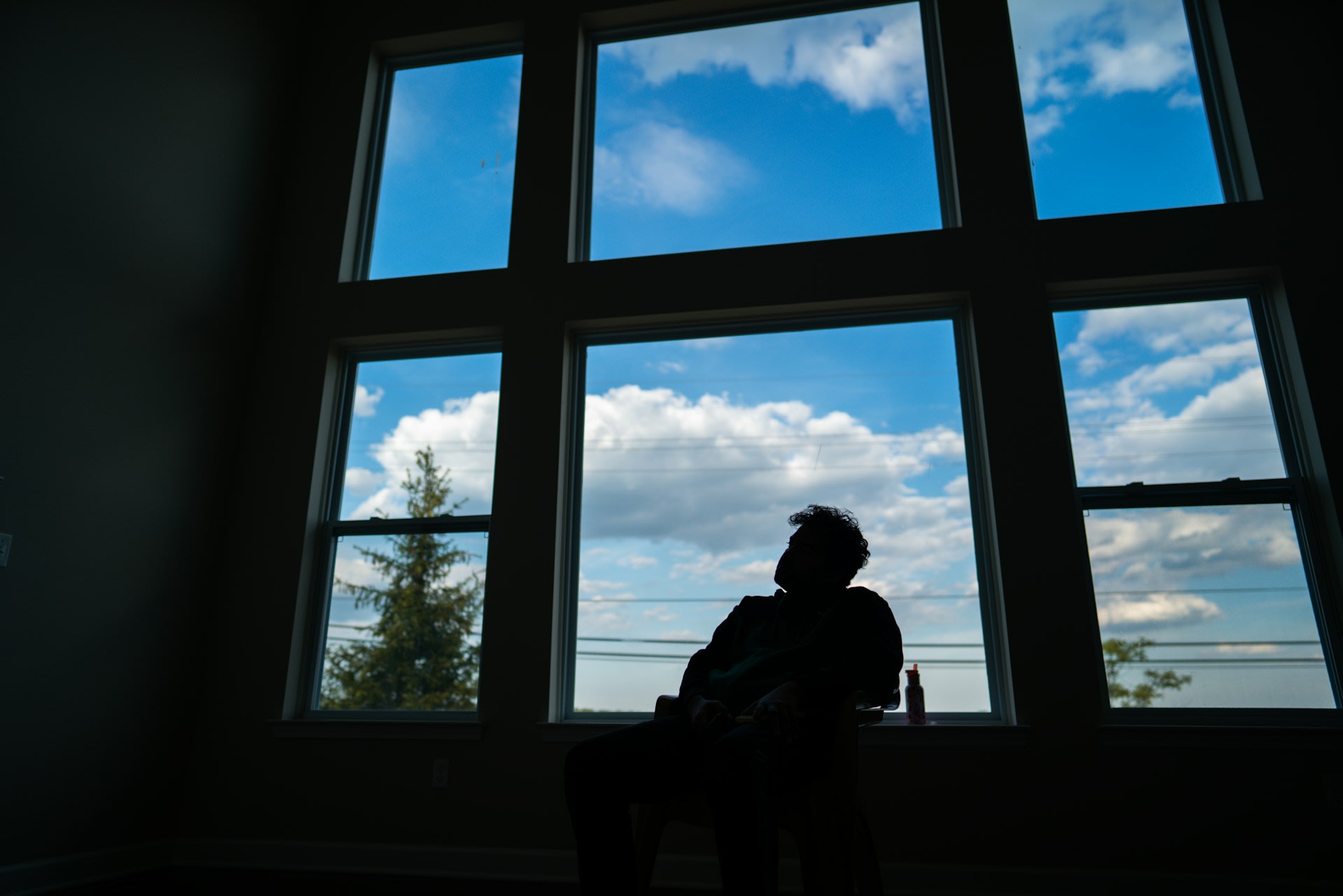
Caring for an aging parent or loved one is one of the most meaningful things you can do—but it can also be one of the most exhausting. If you've been feeling overwhelmed, irritable, or constantly drained, you might be experiencing caregiver burnout.
Medical Disclaimer
This article is for informational purposes only and is not a substitute for professional medical advice. If you're experiencing severe symptoms of burnout or depression, please consult a healthcare provider.
What is Caregiver Burnout?
Caregiver burnout is a state of physical, emotional, and mental exhaustion that occurs when caregivers don't get the help they need or try to do more than they're physically or financially able. It can leave you feeling hopeless, helpless, and resentful—even toward the person you're caring for.
The 10 Warning Signs
1. Constant Exhaustion
You feel tired all the time, even after sleeping. This isn't just physical fatigue—it's a bone-deep weariness that rest doesn't seem to fix. You may find yourself nodding off during the day or struggling to get out of bed in the morning.
2. Withdrawal from Activities You Once Enjoyed
Hobbies, social activities, and things that used to bring you joy now feel like too much effort. You might find yourself declining invitations or letting friendships fade because you simply don't have the energy.
3. Feeling Helpless or Hopeless
You may feel like nothing you do makes a difference, or that the caregiving situation will never improve. This sense of hopelessness can be paralyzing and is a significant warning sign.
4. Increased Irritability or Impatience
Small things that never bothered you before now set you off. You may find yourself snapping at family members, colleagues, or even the person you're caring for. This is often a sign that you're running on empty.
5. Changes in Sleep Patterns
Whether you're sleeping too much or too little, disrupted sleep is common among burned-out caregivers. You might have trouble falling asleep, wake up frequently, or sleep excessively but never feel rested.
6. Neglecting Your Own Health
When was the last time you went to the doctor for yourself? Many caregivers skip their own appointments, ignore symptoms, or put off necessary treatments because they're too focused on their loved one's care. Use our doctor visit worksheet to prepare for your own appointments too.
7. Difficulty Concentrating
Brain fog, forgetfulness, and trouble focusing on tasks are common signs of burnout. You might find yourself reading the same paragraph multiple times or forgetting appointments and important dates.
8. Physical Symptoms
Burnout doesn't just affect your mind—it shows up in your body too. Headaches, digestive issues, back pain, and a weakened immune system (getting sick more often) can all be signs that stress is taking a physical toll.
9. Resentment
Feeling resentful toward the person you're caring for, other family members who aren't helping, or even your own situation is normal—but it's also a warning sign. If you're feeling this way, consider holding a family meeting to redistribute responsibilities. Unaddressed resentment can damage relationships and deepen burnout.
10. Using Food, Alcohol, or Medication to Cope
If you've noticed yourself reaching for a glass of wine more often, stress eating, or relying on sleep aids or other substances to get through the day, these are coping mechanisms that signal you need more support.
What Can You Do?
-
Ask for help. Reach out to family members, friends, or professional caregivers. You don't have to do this alone.
-
Set boundaries. It's okay to say no. Protect your time and energy by being realistic about what you can handle.
-
Take breaks. Even short breaks—a 15-minute walk, a coffee with a friend—can help restore your energy.
-
Seek professional support. A therapist or counselor who specializes in caregiver stress can provide valuable tools and perspective.
-
Join a support group. Connecting with others who understand what you're going through can reduce isolation and provide practical advice.
How CareClearly Can Help
One of the biggest contributors to caregiver burnout is feeling like everything falls on your shoulders. When you're the only one tracking appointments, coordinating care, and communicating with family members, the mental load alone can be overwhelming.
CareClearly helps families share the caregiving load by centralizing tasks, appointments, and updates in one place. When everyone can see what needs to be done and who's responsible, you're no longer carrying everything alone. This is especially valuable for long-distance caregivers who can't be there in person but want to contribute meaningfully.
Key Takeaways
- Caregiver burnout is physical, emotional, and mental exhaustion from caregiving without adequate support
- Watch for: constant exhaustion, withdrawal, hopelessness, irritability, sleep changes, neglecting health
- Early recognition + action = better outcomes for both you and your loved one
- You can't pour from an empty cup—self-care is essential, not selfish
Ready to share the caregiving load?
Start your free 14-day trial and give your family a shared space to coordinate care.
Try CareClearly FreeYou Deserve Care Too
Remember: you can't pour from an empty cup. Taking care of yourself isn't selfish—it's essential. By recognizing the signs of burnout early and taking steps to address them, you'll be better equipped to provide the care your loved one needs while protecting your own health and wellbeing.
Remember
If you're struggling, please reach out. Talk to a healthcare provider, connect with other caregivers, or explore resources in your community. You're not alone, and help is available.
Frequently Asked Questions
How long does caregiver burnout last?
Recovery varies depending on the severity and individual circumstances, but typically takes weeks to months with proper support, lifestyle changes, and sometimes professional help. The key is taking action early—the longer burnout goes untreated, the longer recovery may take.
Can caregiver burnout cause physical illness?
Yes. Chronic stress from caregiving can weaken the immune system and contribute to conditions like high blood pressure, heart disease, digestive problems, and increased susceptibility to infections. Studies show caregivers have higher rates of health issues compared to non-caregivers.
What's the difference between caregiver burnout and depression?
They share symptoms like fatigue, hopelessness, and withdrawal, but burnout is specifically tied to caregiving demands and often improves with rest and support. Depression is a clinical condition that persists regardless of circumstances. If symptoms continue after taking breaks from caregiving, consult a healthcare provider.
Is caregiver burnout the same as compassion fatigue?
They're related but different. Compassion fatigue is emotional numbness that develops from caring for others in distress. Caregiver burnout encompasses physical, emotional, and mental exhaustion from the overall demands of caregiving. Many caregivers experience both.